Bridging the GAP: How to Transform Your Presentations Using the G.A.P. Method

Have you ever felt stuck when preparing a presentation? Many professionals face this challenge - they either don't know where to start or their content misses the mark with their audience. The solution lies in what I call the G.A.P. method. This simple yet powerful framework - focusing on your Goal, Audience, and Purpose - can transform how you approach presentations. After fifteen years in professional speaking, I've distilled these three elements into a practical method that consistently delivers results. Let's explore how you can use it to create more impactful presentations.
G: Identify Your Goal - Your Presentation's North Star
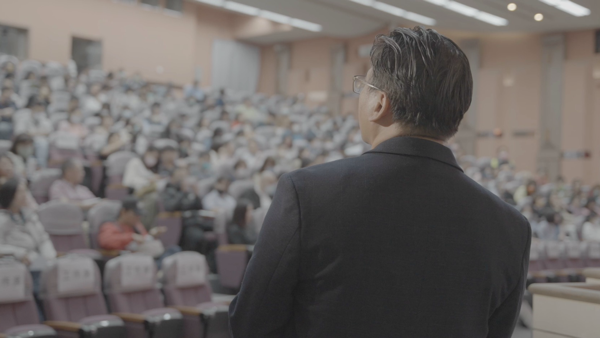
Before opening PowerPoint or jotting down ideas, ask yourself: "What's the fundamental goal of this presentation?" Let me share a recent experience. When invited to speak at 104 Job Bank's event about "Second Half of Life: Transforming Through Learning," I initially hesitated about the content direction. However, after reviewing the event's objectives and other speakers' topics, I quickly realized that my role wasn't just to talk about learning - it was to inspire the audience to see how continuous learning could transform their career trajectory and life path.
Every presentation needs this clarity of purpose. Whether you're pitching a new project to management, presenting quarterly results, or delivering a keynote speech, your goal serves as your North Star, guiding every decision about content and delivery.
A: Understand Your Audience - The Key to Connection
The next crucial question is: "Who exactly am I speaking to, and what matters to them?" Your presentation style and content should adapt significantly based on your audience. For instance, when I present to students, I focus on practical takeaways like effective study techniques and career planning strategies. When addressing medical professionals, I incorporate healthcare-specific examples and case studies showing how continuous learning directly improves patient care outcomes.
Struggling to anticipate what your audience needs? Here's where modern tools can help. AI platforms like ChatGPT can be valuable brainstorming partners. For example, when preparing for my presentation to mid-career professionals, I used ChatGPT to generate potential audience concerns about career transitions and learning at different life stages. This helped me address specific pain points that resonated with my audience.
P: Set Your Purpose - Creating Actionable Outcomes
For the 104 Job Bank event, I established three clear purposes:
1. Share personal learning experiences** that demonstrate real-world application
2. Provide practical frameworks** for identifying learning opportunities in mid-career
3. Offer specific strategies** for overcoming learning challenges
Each purpose informed a distinct section of my presentation, supported by relevant stories and actionable takeaways. For instance, when sharing my learning experiences, I included both successes and failures, showing how each contributed to my growth. This approach resonates more deeply than generic motivational phrases that AI could generate, as it offers authentic insights from real-world experience.
Summary: Making Your G.A.P. Work
Next time you prepare a presentation, take these concrete steps:
1. Write down your specific Goal - what change do you want to create?
2. Research your Audience - what are their needs, fears, and aspirations?
3. Define your Purpose - what specific outcomes will make this presentation successful?
Remember, great presentations aren't about perfection - they're about connection. The G.A.P. method helps you build that bridge between your message and your audience's needs. Start with these three elements, and you'll find your presentations becoming more focused, impactful, and memorable.
Take action today: Before your next presentation, spend 15 minutes mapping out your G.A.P. framework. You'll be surprised how this simple method can transform your preparation process and presentation outcomes.
Note: While this framework appears straightforward, it represents years of professional speaking experience and countless presentations. The power lies not just in understanding these elements, but in consistently applying them to create meaningful connections with your audience.