Presentation Mastery: The First Stage – Building a Strong Foundation

From books and online videos to the legendary Steve Jobs, many people have embarked on the journey to improve their presentation skills. But where should you start? As a presentation coach, I often hear students ask this crucial question. Drawing from years of teaching experience and insights shared at recent presentation summits, I've identified three distinct stages in developing presentation mastery, each with its own set of recommendations. Let's begin with Stage One: building your foundation.
The Mountain Is a Mountain - Essential Fundamentals
When starting your presentation journey, mastering the fundamentals is crucial. Here are three essential practices that will set you up for success:
1. Practice With Purpose
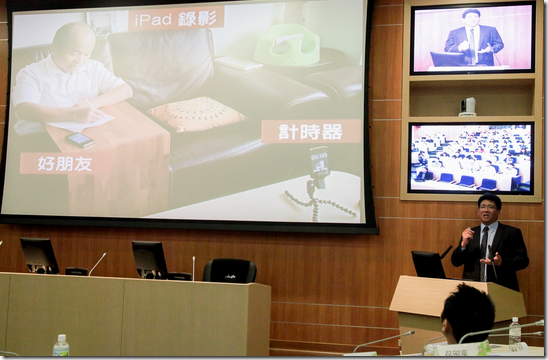
Slides or no slides, rehearsal is non-negotiable. Whether you're talking to yourself, presenting to a friend, or recording on your phone, you must run through your entire presentation multiple times. Know your opening, understand your section breaks, plan your conclusion, and master your slide timing. A full run-through will expose weak spots and timing issues before you go live.
Many presenters run out of time not because they have too many slides (that's adjustable), but because they didn't practice enough. We often pour hours into creating slides while neglecting rehearsal time. Practice in conditions that mirror your actual presentation environment: speak at full volume, present to real people, or record yourself. Each rehearsal brings you closer to a flawless delivery.
2. Break Free from Notes
Can you present seamlessly without relying on notes, slides, or scripts? Do you know exactly what's coming next? Can you maintain eye contact with your audience while coordinating perfectly with your slides? True presentation fluency comes when you can navigate your content naturally, without visual crutches.
Yes, TED speakers have prompter screens, but these serve as confirmation tools, not teleprompters. They verify slide transitions rather than provide speaking cues. Developing independence from notes requires discipline – once you start relying on them, it's a slippery slope that can erode both audience connection and presentation flow. Through dedicated practice, you'll develop the confidence to present without these safety nets.
3. Learn from the Masters
During this foundation-building phase, immerse yourself in outstanding presentations. Beyond Steve Jobs' keynotes, dive into TED talks for diverse speaking styles. I strongly recommend reading presentation experts like Garr Reynolds and Nancy Duarte. Explore SlideShare.net for inspiring examples, or visit my blog (gamifyteach.com) for regular insights and analysis.
Consider attending live presentation events – they offer unique learning opportunities you can't get from videos alone. When your budget allows, invest in quality training. Course prices vary significantly, from standard training at $500 per hour to premium coaching at $4,000 per hour. Through varied exposure and consistent practice, you'll discover and develop your authentic presentation style. Remember: knowledge only becomes power when applied – incorporate what you learn into your own presentations.
Your Launch Pad to Excellence
These three fundamentals – purposeful practice, freedom from notes, and continuous learning – form your foundation for presentation excellence. Master these basics, and you'll be ready for Stage Two – where we move beyond fundamentals and focus on making a lasting impact. Stay tuned!
*Editor's note: This article kicks off our series on presentation mastery. Watch for upcoming pieces on Stage Two: Building Impact, and Stage Three: Advanced Mastery.*