Presentation Mastery: The Second Stage – From Technique to Influence

Once you've mastered the fundamentals (practicing thoroughly, presenting without notes, and continuous learning), it's time to advance to the second stage of presentation mastery. This stage is about moving from "seeing the mountain as a mountain" to "seeing the mountain as not a mountain" – a transformative phase where you progress beyond just meeting basic requirements to delivering impactful, purposeful presentations. Here are my three recommendations for this stage:
1. Engaging Elements
Incorporate compelling elements into your presentation, such as stories or examples (for storytelling techniques, check out my friend Tom's "The Power of Storytelling"). You might also include short, impactful videos or plan interactions with your audience. These elements can transform your presentation into something more engaging, capturing your audience's attention and deepening your influence.
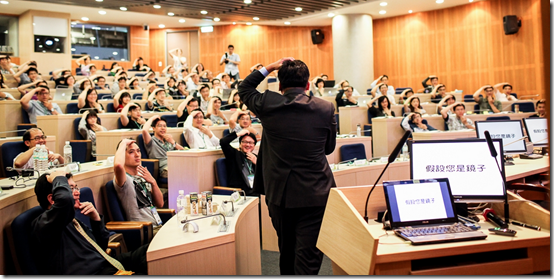
Remember to align your stories with your main themes – stories adapted from real cases tend to be more compelling. Keep videos brief and test them multiple times beforehand. Audience interaction can range from simple hand-raising (asking the audience to raise hands in response to questions) to Q&A sessions (inviting audience opinions on specific topics), and even more extensive discussion and practical exercises (which require significant experience). These elements enhance the sophistication and professionalism of your presentations, though they do require more planning and practice!
2. Know Your Audience
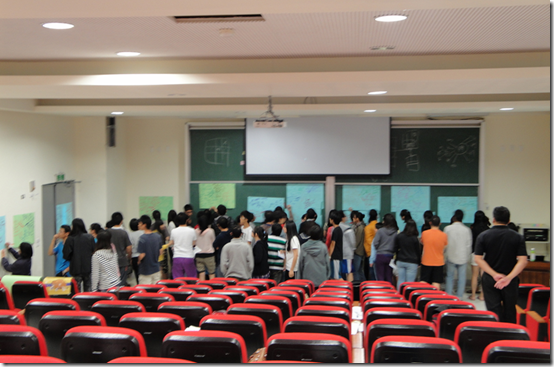
A great presentation isn't just about attractive slides or dynamic delivery – it's about content that resonates with your audience's needs, provides value, and motivates action. Before presenting, ask yourself: Do you know who your audience is? What do they hope to gain from your presentation? What questions might they have? Is your audience homogeneous or diverse? How many people will attend? What are their ages, professional backgrounds, and experience levels? What do you want them to take away? What actions do you hope they'll take afterward? The better you understand your audience, the better equipped you'll be to deliver a presentation that meets their needs.
For instance, before meeting with the founder of Business Weekly Group, a leading business publication in Asia, I called a friend to understand what information the founder wanted from our meeting and prepared accordingly. When presenting to clients, I always clarify the meeting's purpose, attendees, and desired takeaways, while anticipating potential questions. Even for large events like HPX & Presentation Summit, I request organizers to conduct pre-event surveys about participants' learning objectives. Early in my career, when invited to present at medical centers, I attended two of their medical conferences and presentations beforehand. The goal of all this preparation is simple: to better understand your target audience and their key concerns. This understanding helps you deliver not just skillful presentations, but valuable information that truly meets your audience's needs.
3. Unbeatable Passion
Beyond techniques, there's something crucial that's hard to learn but absolutely essential – your passion for sharing on stage! Ask yourself: Do you see presenting as an opportunity to share valuable information with others, or just an assigned task to complete? How motivated are you to influence your audience, rather than simply getting through the presentation? Your attitude ultimately affects everything. While the audience might not see it directly, they can definitely feel it. How passionate are you about this presentation?
Dr. James Yang, who self-funded a nationwide tour promoting nuclear power awareness, is a perfect example. According to This Week Magazine: "On March 19th this year, Dr. Yang was inspired by Michael Huang's impressive challenge of walking on his hands across 319 townships – a symbolic act of dedication and advocacy that reignited his passion to travel across the country giving speeches." Driven by this passion, he has now delivered over 120 presentations on nuclear awareness! I've attended two of his presentations and had the honor of offering some suggestions on his presentation techniques. I've witnessed his continuously evolving presentation mastery. With passion, technical skills can always be developed through extensive learning and practice! Congratulations to Dr. Yang on his invitation to speak at TEDx, where his passion will inspire and influence even more people.
So, the three recommendations for Stage Two: "seeing the mountain as not a mountain" (Engaging Elements, Know Your Audience, Unbeatable Passion) all aim to make your presentations more persuasive. They help evolve your basic skills to not just engage your audience, but influence them to take action. At this stage, you're no longer just presenting—you're persuading, influencing, and making a lasting impact on your audience.
Once you've achieved both Stage One and Stage Two, you can progress to the third and ultimate stage of presentation mastery: "seeing the mountain as a mountain again" – the pursuit of perfection!